

If you’ve ever wondered why so much waste is created before a product even reaches your hands, you’re not alone.
Many of us do our best to reduce waste. We recycle, shop second-hand, repair what we can and choose reusable options wherever possible. These actions make a difference, but they’re only part of the picture. The reality is that most waste is designed long before we buy a product. Decisions about materials, packaging and how something will be disposed of are usually made by the manufacturer.
That’s where Extended Producer Responsibility (EPR) comes in.
Extended Producer Responsibility (EPR) is an environmental policy that makes producers responsible for the full life cycle of the products and packaging they create – including what happens after we’ve finished using them. Instead of responsibility ending when a product is sold, businesses help fund or manage systems that collect, repair, reuse, recycle, or safely dispose of the products they put into the market.
When producers are responsible for the end of a product’s life, they have a much stronger incentive to reduce waste before it’s created.
That could mean designing products that:
This approach sits at the heart of a circular economy, where resources stay in use for as long as possible rather than becoming waste after a single use.
Think about a plastic drink bottle, yoghurt container or takeaway coffee cup. Before it reaches the supermarket shelf, someone has already decided:
Once we buy it, the responsibility largely shifts to us as the consumer. We’re expected to know how to dispose of it correctly, even though we had no say in how it was designed in the first place. Extended Producer Responsibility helps rebalance that responsibility. Rather than leaving communities and councils to manage the waste, producers become part of the solution too.
Yes.
New Zealand already has regulated product stewardship schemes for several products, including tyres, farm plastics, agrichemicals and refrigerants. These schemes help ensure manufacturers and importers contribute to recovering and managing products safely at the end of their useful life.
Many people are now asking whether similar approaches could be expanded to everyday items such as:
Expanding producer responsibility has the potential to reduce waste, recover more valuable materials and encourage better product design from the outset.
The good news is that many EPR-style solutions already exist.
Refill stations allow customers to reuse the same container instead of buying a new one each time. From cleaning products to personal care items, refill systems reduce packaging while keeping products convenient.
Some businesses are returning to reusable packaging, including refillable or returnable glass milk bottles that can be washed and used many times before eventually being recycled.
A proposed Container Return Scheme (sometimes called a Container Deposit Scheme) would allow people to return eligible drink containers in exchange for a small refund. The scheme would be funded by producers, helping ensure valuable materials are collected and recycled instead of ending up in landfill. These systems don’t just improve recycling. They encourage smarter product design and reduce waste from the very beginning. Around the world, many of these systems are already operating successfully, proving that better product stewardship can work at scale.
Recycling is important, but it’s only one piece of the puzzle. The biggest opportunity to reduce waste comes much earlier, when products and packaging are being designed. If manufacturers are encouraged to use fewer materials, create products that last longer and invest in reuse or refill systems, less waste is created in the first place.
That’s a win for businesses, communities and the environment.
You don’t have to wait for new policies to make a difference.
This Plastic Free July, consider trying one small change that supports a more circular economy.
You could:
Every purchase is a vote for the kinds of products and systems we’d like to see more of.
Every purchase is a vote for the kinds of products and systems we’d like to see more of.
And with a general election approaching, it’s also a good time to let your local MP and election candidates know that you’d like to see a Container Return Scheme introduced in New Zealand. Hearing from constituents helps decision-makers understand which issues matter to their communities. If you’d like to learn more about how a Container Return Scheme could work, our friends at Zero Waste Aotearoa have excellent information and resources available.
Here at Wastebusters, we believe reducing waste isn’t just the responsibility of individuals. Communities, businesses, manufacturers and governments all have a role to play in creating a future where products are designed to last, resources stay in circulation for longer and waste is prevented before it’s created.
Because reducing waste doesn’t start in your recycling bin. It starts long before a product reaches your hands.
You can watch our fun full video explaining the Extended Producer Responsibility scheme on our social media channels here.
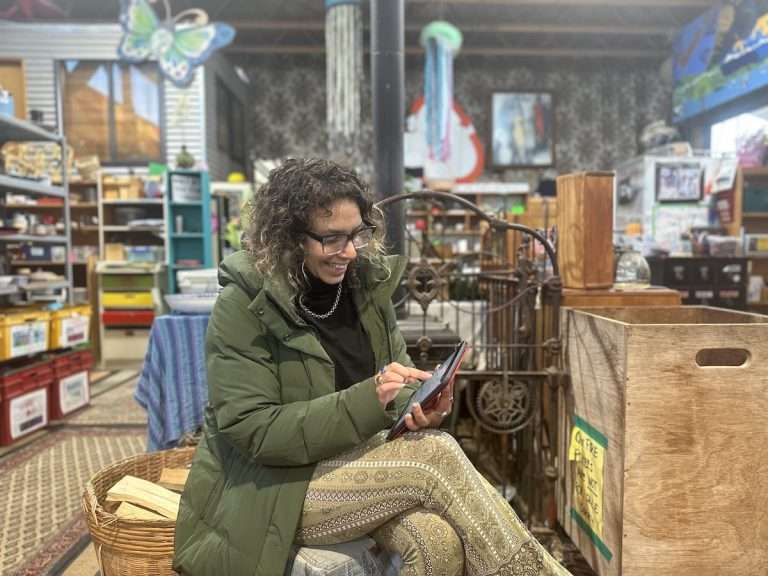

This year our amazing Wastebusters whānau has been busy keeping everything we can out of landfill and supporting resourcefulness in our community while also working on bringing our dream of Wastebusters 2.0 into reality.
We were humbled and absolutely stoked to take home the Wānaka Chamber of Commerce Business Awards Supreme Business Award, along with the Community Contribution and Business Sustainability awards. This success was a powerful recognition of the dedicated mahi of our entire team, giving us huge confidence for the ambitious journey ahead.
We welcomed Aviette Musin on a fixed-term contract as our new Programme Manager for Wastebusters 2.0. Her expertise provided the dedicated, focused capacity needed to accelerate progress on this strategic goal.
Funding was secured through Queenstown Lakes Community Composting Project for the Compost Collect pilot, a joint venture with our neighbours Wānaka Greenwaste that will turn commercial food scraps into valuable compost, launching in 2026. We also intensified our focus on Construction and Demolition (C&D) materials, trialling diversion methodology and securing initial partnerships to divert waste from landfill. With our current site so space-constrained, we are extremely limited in the C&D materials which can be accepted for reuse, but this work will lay the groundwork for future diversion on a bigger site.
We made a compelling case to the Council for the necessary land expansion for Wastebusters 2.0 and prepared for the MfE Waste Minimisation Fund application process to support our expansion plans.
A continued focus for us this year has been on strengthening the Wastebusters whānau and ensuring we are equipped not just for the daily challenges, but for future growth. We continued to be a Living Wage employer, reflecting our commitment to the well-being and value of our staff. Feedback from the team via staff survey results highlighted strong morale and resilience within our workplace culture with 89% saying they enjoy working at Wastebusters and 93% feeling cared for by their manager.
The district’s rapid growth brings challenges as well as opportunities, particularly the Ballantyne Road/Riverbank Road roadworks which demanded flexibility and good humour from our team and customers throughout 2024. Despite the road cones, ongoing community support ensured our Reuse Shop continued to be a first choice destination for both locals and visitors. Improved donation flows and adding new changing rooms has made the shop operation smoother and more efficient for everyone.
Wastebusters’ partnership with events continues to go from strength to strength: including the trial of a food scraps collection from vendors. And our Recycle team did the huge job of relabeling all our events recycling bins to align with national recycling colours, making it easier for event-goers to know what to do. Wastebusters recycling trucks continue to be a much-loved presence in town servicing our 408 business customers, with the team doing a great job of keeping our aging fleet serviceable, in line with our kaupapa of keeping resources in use for as long as possible.
Our Reduce team has continued to deliver exceptional impact, with more than 11,000 people engaged in person through our education and engagement in the community. The Resourceful Communities programme inspires our community to take action and builds the knowledge and know how to engage in areas like repair, low waste living and textile waste diversion. It is proudly supported by QLDC’s zero waste district’s programme which recognises the impact of community connection for zero waste action.
We were stoked to join Environment Hubs Aotearoa, and we look forward to collaborating with this network and amplifying our collective impact on environmental action and resourcefulness across Aotearoa.
We worked with an impact consultant to implement an evaluation framework and behaviour change model to better plan, deliver and measure our impact, and have begun rolling out our learnings across all our programmes.
It was a busy year in advocacy, starting with participation in QLDC’s Waste Management and Minimisation Plan process. We appreciated QLDC’s approach in bringing Wastebusters and other stakeholders in early in the process, which has resulted in a constructive plan for the next six years. Wastebusters has also made submissions on national and local level, including The Right to Repair Bill, the Container Return Scheme and the publicly notified resource consent for McDonald’s in Wānaka.
Ultimately, this year has been about delivering impact while building the foundations for a much larger and even more impactful operation, securing Wastebusters’ future for our community. The heart of our work remains resource recovery and community engagement, and we enter the next 25 years of zero waste leadership with great confidence, welcome community support and an unwavering focus.
Gina Dempster
General Manager
November 2025

Let us know what you love & what we could do better & you’ll go into the draw to win a $250 restaurant voucher!